
















Les Rencontres économiques des Métiers d’art

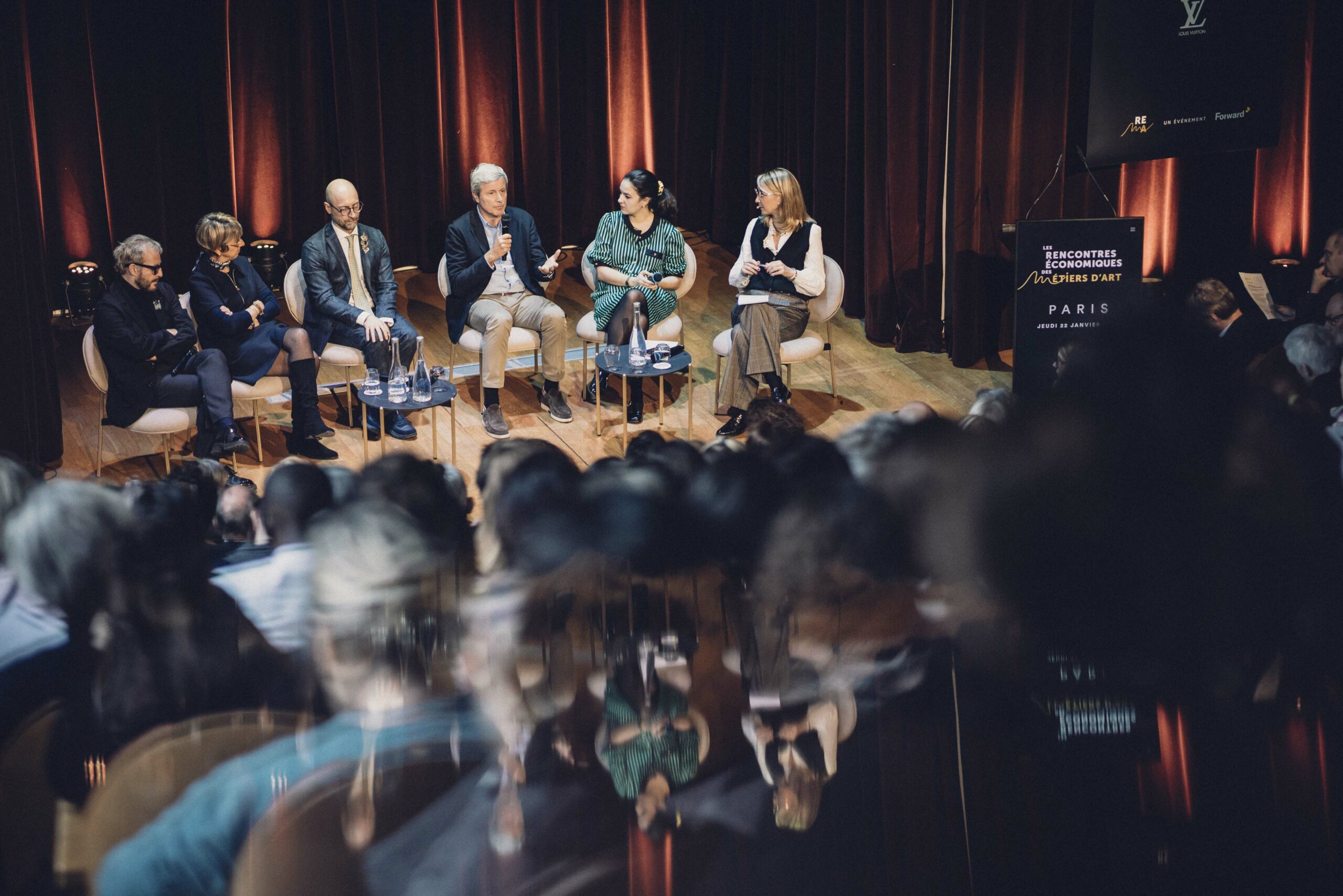
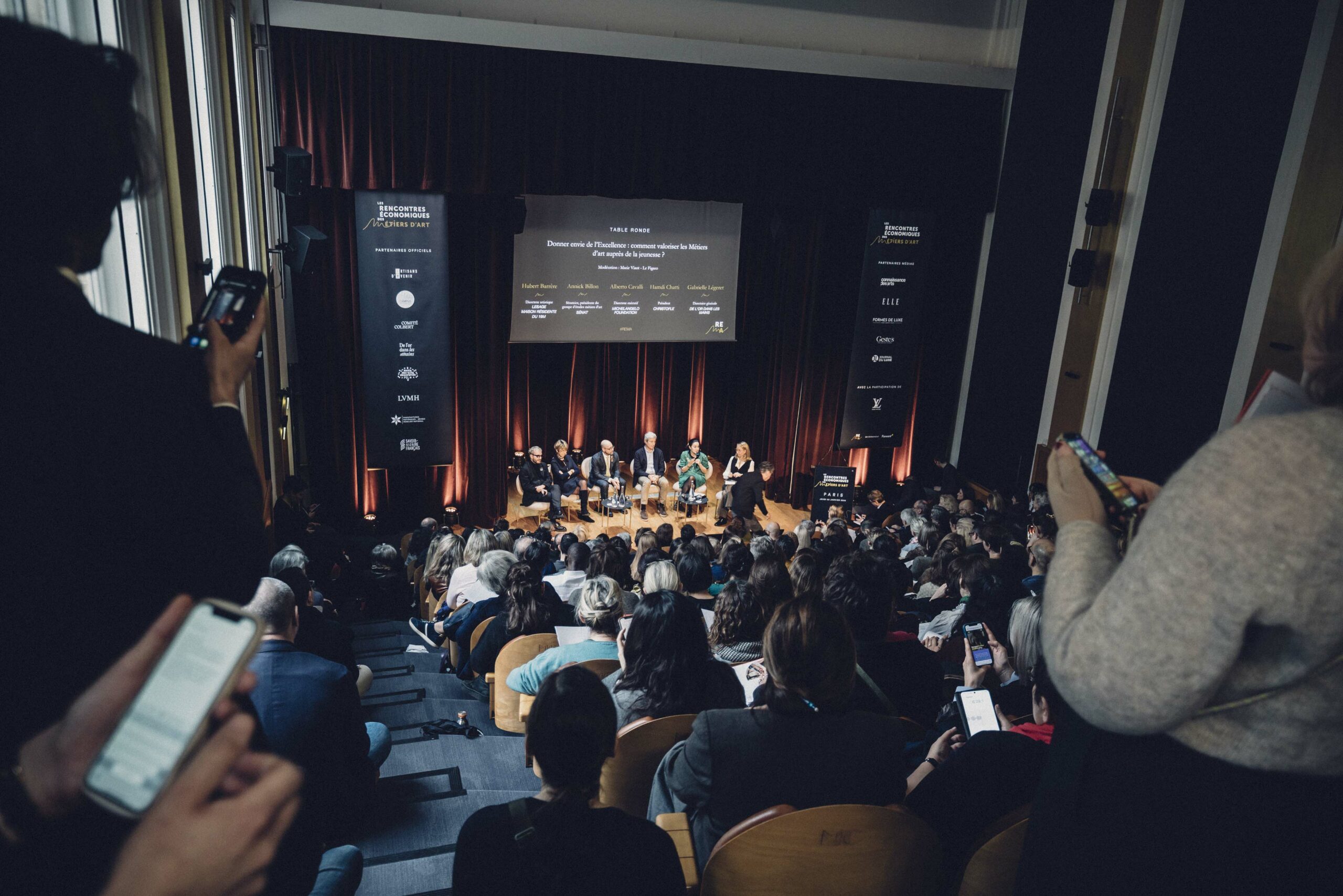
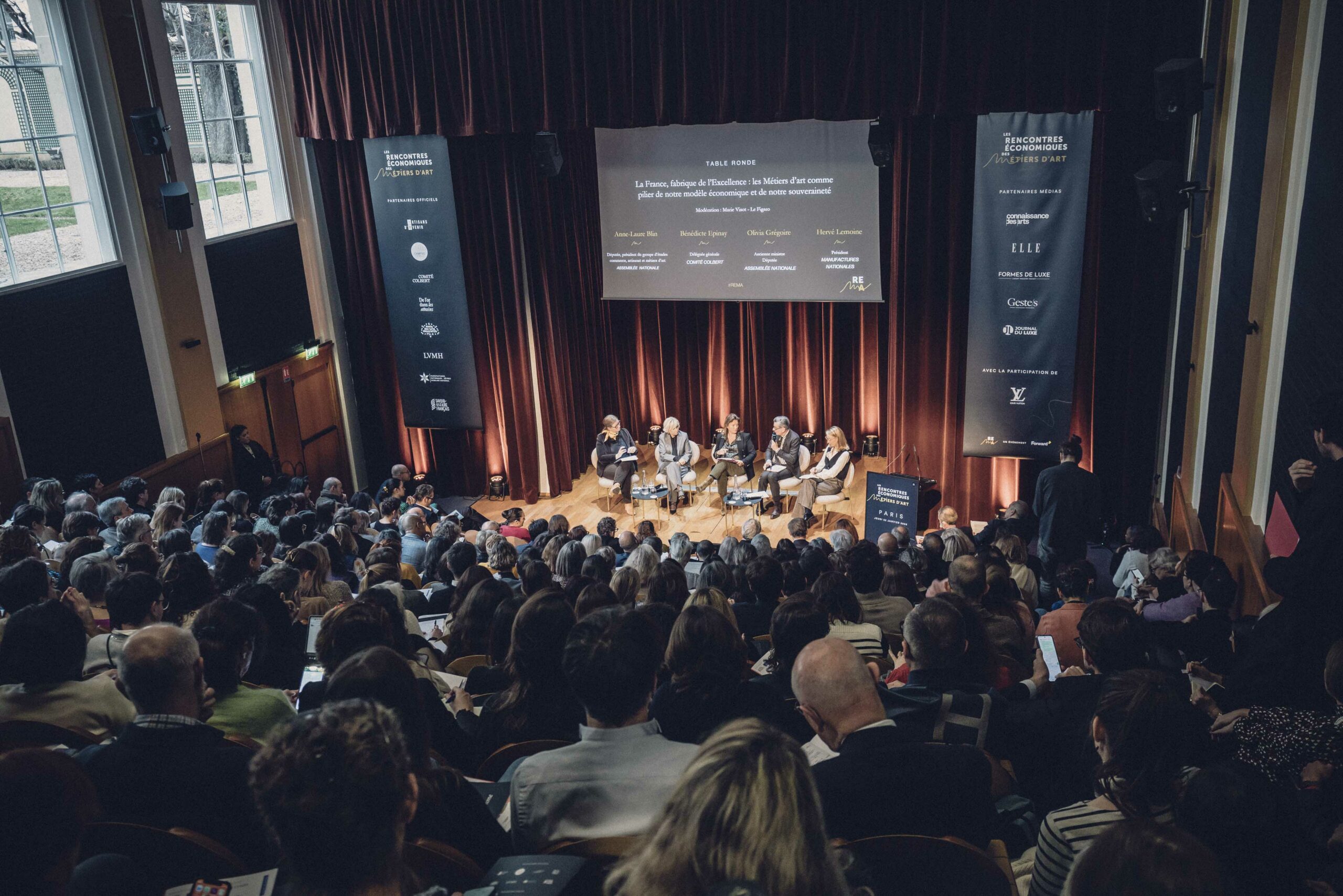
Les Rencontres économiques des Métiers d’art (REMA) is the first annual event dedicated to the economic and territorial role of the arts and crafts sector. It brings together a unique community of economic, political, institutional and social stakeholders.

Thursday
22 January 2026

PARIS

About

Les Rencontres économiques des Métiers d’art (REMA) highlight the arts and crafts sector, strengthen its attractiveness, and create new synergies between craftspeople, companies, training institutions and local authorities across France. Their ambition is to innovate while respecting traditions, so that know-how can be passed on to future generations.

Editions

In just two editions, REMA have brought together:

1,000+

participants

60+

speakers

40+

partners

Themes

TERRITORIAL DEVELOPMENT
How do arts and crafts contribute to the economic development of regions?
What meaningful synergies can be built with other local economic sectors (tourism, gastronomy, hospitality)?
How can arts and crafts enrich the identity and image of a region?

REGIONS AS DRIVERS OF DEVELOPMENT

HOSPITALITY & CUSTOMER EXPERIENCE
How can arts and crafts be integrated into tourism experiences to enhance the hospitality offering?
How can arts and crafts strengthen a region’s attractiveness as a tourist destination? Which initiatives have successfully turned crafts into major tourism assets?
How can arts and crafts transform and improve the customer experience?

Panel – INFORM TO RECRUIT
What are the main challenges in attracting young talent to arts and crafts?
How can training programmes be adapted to meet the needs of the arts and crafts sector and attract more young talent?
What new recruitment methods (fairs, open workshops, digital tools, social media, etc.) can be used to attract talent into arts and crafts?

PROTECTING KNOW-HOW

GOING INTERNATIONAL!

WHAT DRIVERS OF DESIRABILITY FOR TOMORROW’S ARTS AND CRAFTS?

SUSTAINABILITY
How can arts and crafts accelerate France’s ecological and social transition?
How can they respond to the challenges of mass production and resource scarcity?
How can they reinvent themselves to adapt to new constraints?

TRANSMISSION
How can we ensure the survival of arts and crafts by passing on capital, skills, knowledge or businesses?

TERRITORIES
How can arts and crafts be turned into strategic assets for regions?
How can we protect and re-establish know-how in line with each region’s history?
How can we build nationwide territorial cohesion around arts and crafts?

INNOVATION
Which innovations are essential to ensure the long-term future of arts and crafts?
How can they be deployed?

TRAINING
How can people find their way through the complexity of existing training programmes?
How can career paths be made more secure?
How can career transitions into arts and crafts be encouraged?

Intervenants

  • Valérie Debord, First Vice-President of the Grand Est Region
  • Jean-Marc Roze, President of the Marne Department
  • Arnaud Robinet, Mayor of Reims
  • Alexandre Boquel, Director of Métiers d’Excellence at LVMH
  • Marc Bayard, Head of programming and cultural development: carte blanche for contemporary artists at the Mobilier National
  • Maxime Coupez, Director of Innovation and Foresight at NellyRodi
  • Anne-Sophie Duroyon-Chavanne, Chief Executive Officer of the Institut pour les savoir-faire français
  • Bénédicte Epinay, Chief Executive of Comité Colbert
  • Jean-François Girardin, President of the Meilleurs Ouvriers de France
  • Olivia Joffre, Deputy Director of the Illicit Markets Unit at Forward Global
  • Gabrielle Légeret, President of *De l’or dans les mains*
  • Luc Lesénécal, President of Saint James
  • Olivier Livoir, Director of Hospitality at Maison Ruinart
  • Christian Mantei, President of Atout France
  • Aurélie Mesnil, Deputy Director of Export Development at Bpifrance
  • Philippe Mille, Chef of the restaurant Arbane
  • Joëlle de Montgolfier, Research Director of the “Luxury & Retail” practice at Bain & Company
  • Leslie Villiaume, master craftswoman in watchmaking – Winner of the Prix des Artisanes
  • Rima Abdul-Malak, Minister of Culture
  • Nicolas Bard, Co-founder of Make ICI
  • Marc Bayard, Founder of the “Slow Made” initiative at the Mobilier national
  • Franck Boehly, President of France Industries Créatives
  • Laurent Boillot, President of Comité Colbert and of Hennessy
  • Alexandre Boquel, Director of Métiers d’Excellence at LVMH
  • Cédric Clech, Mayor of Tonnerre
  • Frédérique Clere, Director of the “Maroquinerie & Métiers d’art” Campus of Trades and Qualifications in Bourgogne–Franche–Comté
  • Sophie Dariel, Co-founder of Campus MaNa
  • Grégory Dorte, First Vice-President of the Yonne Department
  • Bénédicte Epinay, Chief Executive of Comité Colbert
  • Patrick Gendraud, President of the Yonne Department
  • Olivia Grégoire, Minister Delegate for SMEs, Trade, Crafts and Tourism
  • Aline Houdé-Diebolt, Co-founder of Villa Canopée
  • Philippe Huppé, President of Ville & Métiers d’art
  • Arnaud Lebert, President of Maison Roze
  • Gabrielle Légeret, President of *De l’or dans les mains*
  • Bruno Le Maire, Minister for the Economy, Finance and Industrial and Digital Sovereignty
  • Pierre Martin, Chair of the AG2R LA MONDIALE Corporate Foundation for Artistic Vitality
  • Inès Mesmar, Founder and Director of La Fabrique NOMADE
  • Pascal Morand, Executive President of the Fédération de la Haute Couture et de la Mode
  • Romain Mouton, President of RM Conseil
  • Emmanuelle Petitdemange, Director General of the Mobilier national
  • Emmanuel Tibloux, Director of the École nationale supérieure des Arts Décoratifs
  • Armelle Weisman, Director of Campus Versailles – Heritage and Exceptional Craftsmanship

Partners

2026 Partners

2026 Media Partners

Fournisseurs

With the participation of

with the participation of

Vidéos

Ecosystem Generation and Hosting